
THE LAST BROADCAST
A Short Story

Volume 86, August 1, 2026

Welcome to Volume 86 of Webber's Whipping Post.
Note - For the full Webber's Whipping Post experience, read this issue in your browser. It is a more attractive presentation.
We’ve got a jam-packed issue this week with two timely commentaries - one from Chris and one from me, a brand-new short story, the latest from Cubs Corner, and a terrific musical collaboration between Boz Scaggs and Duane Allman.
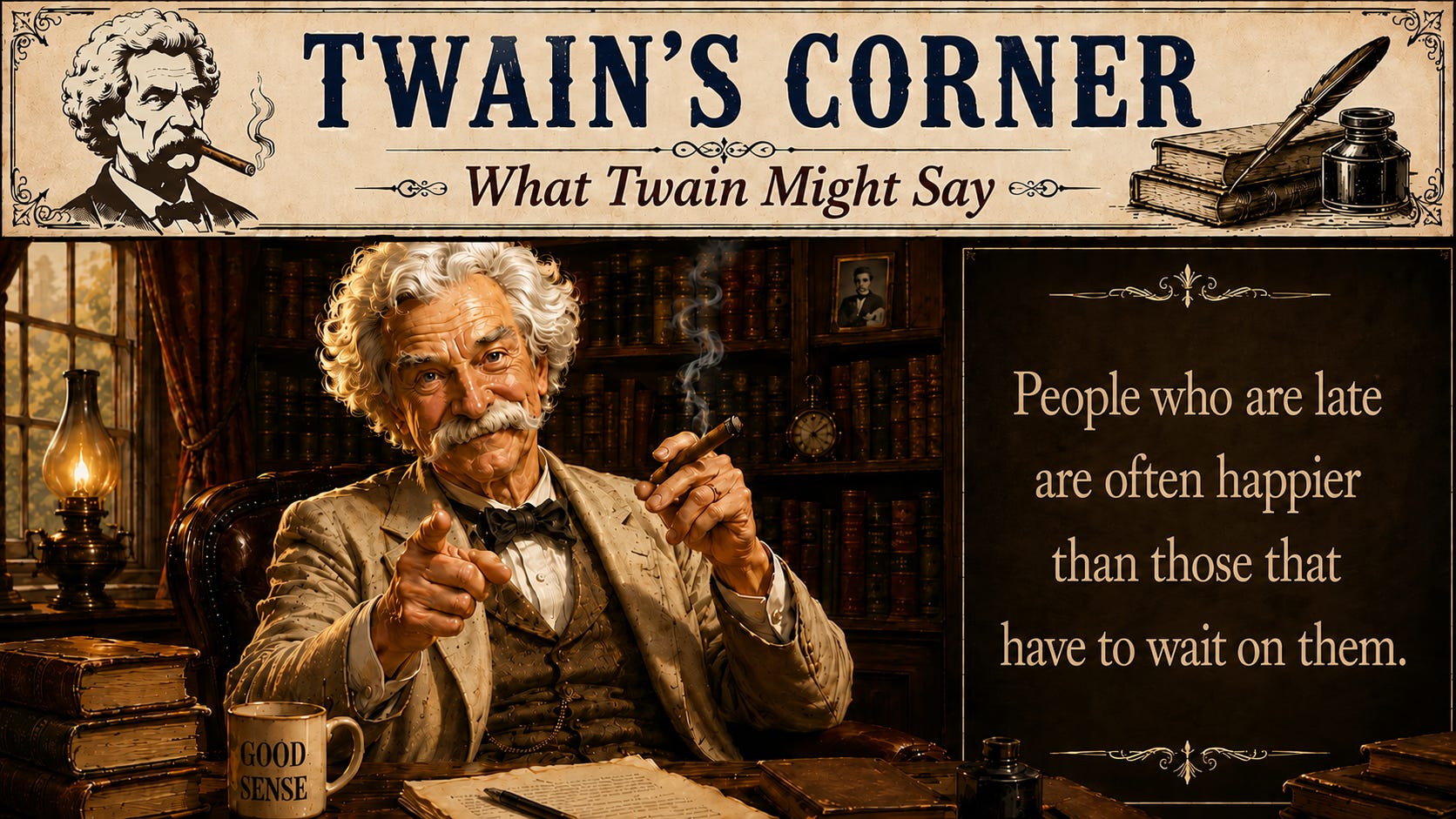
And, of course, Mark Twain wanders in with another helping of his trademark wise-assery.
There’s a lot here this week. Pick what interests you, skip what doesn’t, and enjoy the ride.

MORE POT SHOTS FROM AN OLD SOT
One-hundred-eleven (111). That’s the number of times former Director of NIAID Anthony Fauci pleaded the Fifth Amendment during a recent congressional hearing. Pleading the Fifth is a constitutional protection against self-incrimination or, some would say, a convenient way to avoid answering difficult questions.
Senator Rand Paul says he will seek contempt charges next week. Compare that to the contempt charges they would level against you or me before promptly tossing us in the pokey the same day.

Fauci’s repeated refusal to answer questions is reason enough to re-examine how the Fifth Amendment is applied in situations involving public officials. I feel quite certain this was not what the Founding Fathers had in mind when they ratified it in 1791. Fauci was a government employee, paid handsomely by taxpayers to oversee the health of Americans, a job I believe he failed at spectacularly.
More than likely Fauci will skate, and we, the unwashed, will never get to the bottom of a COVID pandemic that, in my opinion, he was instrumental in helping unleash upon the world.
Despite all the death, destruction, and evil Iran has inflicted upon its own people and others around the world, you have to admit they are a resilient den of thieves.
They have lost much of their nuclear capability and endured wave after wave of military strikes against missile sites, command centers, and drone facilities. America has nearly pounded them back into the Stone Age and yet, like a cockroach, they continue to survive.
GUEST COMMENTARY FROM CHRIS SORENSEN
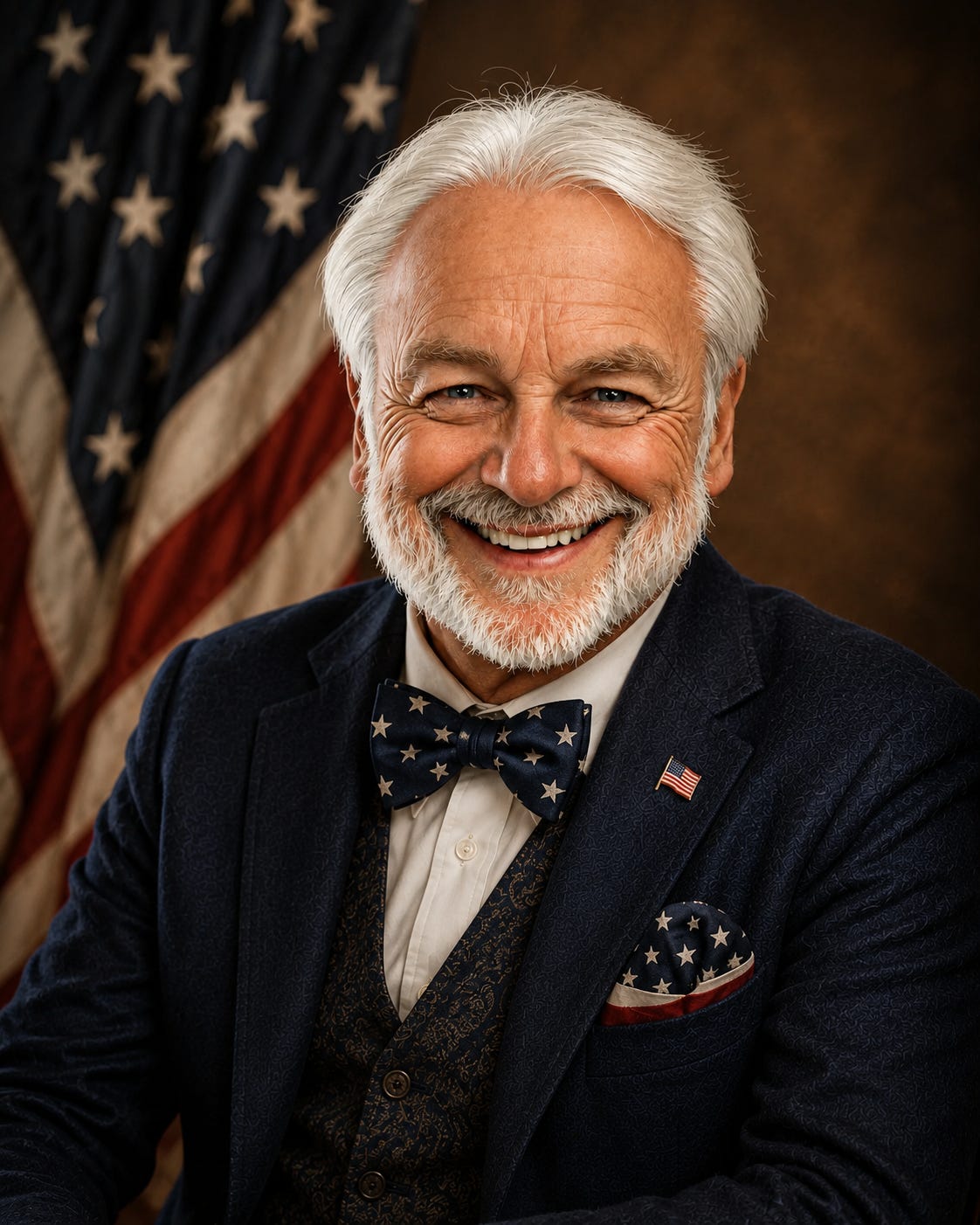
MORE ABOUT WASHINGTON’S FAREWELL ADDRESS
In his July 19th commentary, Alan pointed out how George Washington’s Farewell Address deserves to stand beside Lincoln’s Gettysburg Address because its timeless warnings about national unity, partisan division, constitutional government, personal virtue, public debt, foreign entanglements, and the peaceful surrender of power remain essential to preserving the American Republic.
George Washington’s Farewell Address (1796) remains one of the most important political documents in American history. Many of the warnings he gave over 230 years ago sound remarkably relevant today. Below is a comparison of Washington’s core principles with observations about modern politics. The historical points come directly from the Farewell Address; the comparisons are modern interpretations, in a more polite way than I usually do.
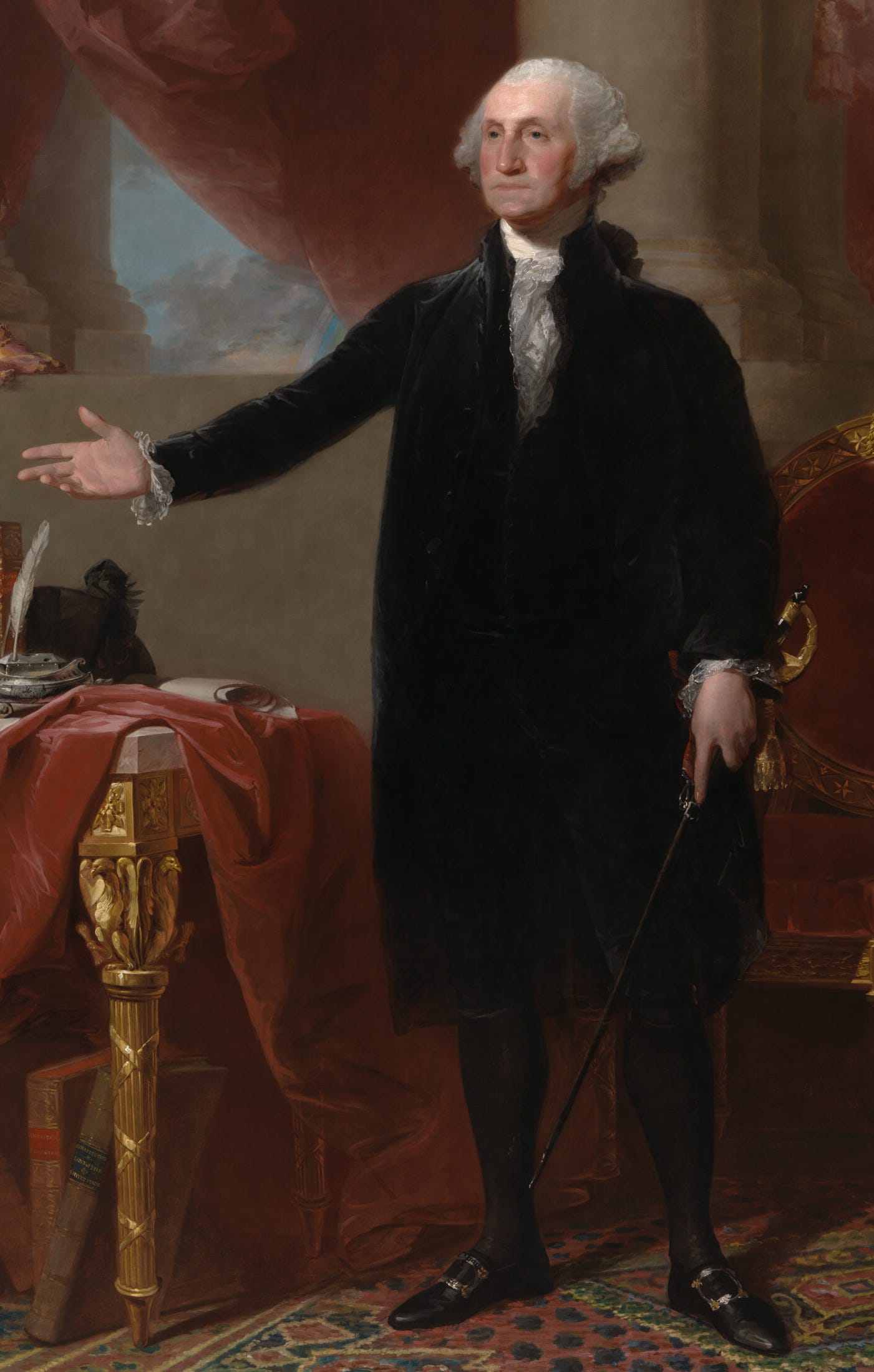
Washington’s Warning
National unity must come before regional or political divisions. Washington warned that Americans should think of themselves as Americans first and resist efforts to divide the nation by geography or competing interests.
Today’s politics are often characterized by intense partisan, ideological, and regional polarization, with political identities frequently taking precedence over shared national identity.
Political parties are dangerous when they seek power over the common good. He called the “spirit of party” one of the greatest threats to the Republic.
Modern political parties are central to American government. Critics argue that intense partisanship can sometimes make compromise and bipartisan cooperation more difficult.

THE LAST BROADCAST
Tom awoke to the alarm he had set for an early Sunday tee time. Unfortunately, rain had pounded the roof all night and, according to the weather app on his phone, it wasn’t expected to let up until late afternoon.
“So much for golf,” he muttered.
Knowing he wouldn’t fall back asleep, Tom brewed a pot of coffee and headed downstairs to his office. After flipping through the television channels without finding anything worth watching, he remembered Johnny “Records” Wagner’s Sunday morning classic rock show.
Johnny’s program had become a ritual for thousands of listeners.
He earned the nickname “Records” because he insisted on spinning vinyl from a turntable rather than playing digital files. It irritated station management for years, but his audience was so loyal they finally stopped arguing with him. Johnny also enjoyed another luxury few disc jockeys possessed: he talked about the music. Sometimes the stories behind the songs were every bit as entertaining as the songs themselves.

Tom settled into his chair just as Johnny’s familiar gravelly voice filled the room.
“Good morning, my friends. Hope you’ve got a fresh cup of coffee because we’ve got a lot of music to get through today.”
The first song was Don’t Stop Believin’ by Journey.
“When this came out, none of us thought we’d still be listening to it forty years later,” Johnny chuckled. “Some songs just refuse to grow old. Enjoy.”
A few minutes later came The Who’s Won’t Get Fooled Again.
“You know,” Johnny said,

NOW AVAILABLE!
Tales from the Whipping Post
Americana • Memories • Humor • Fiction
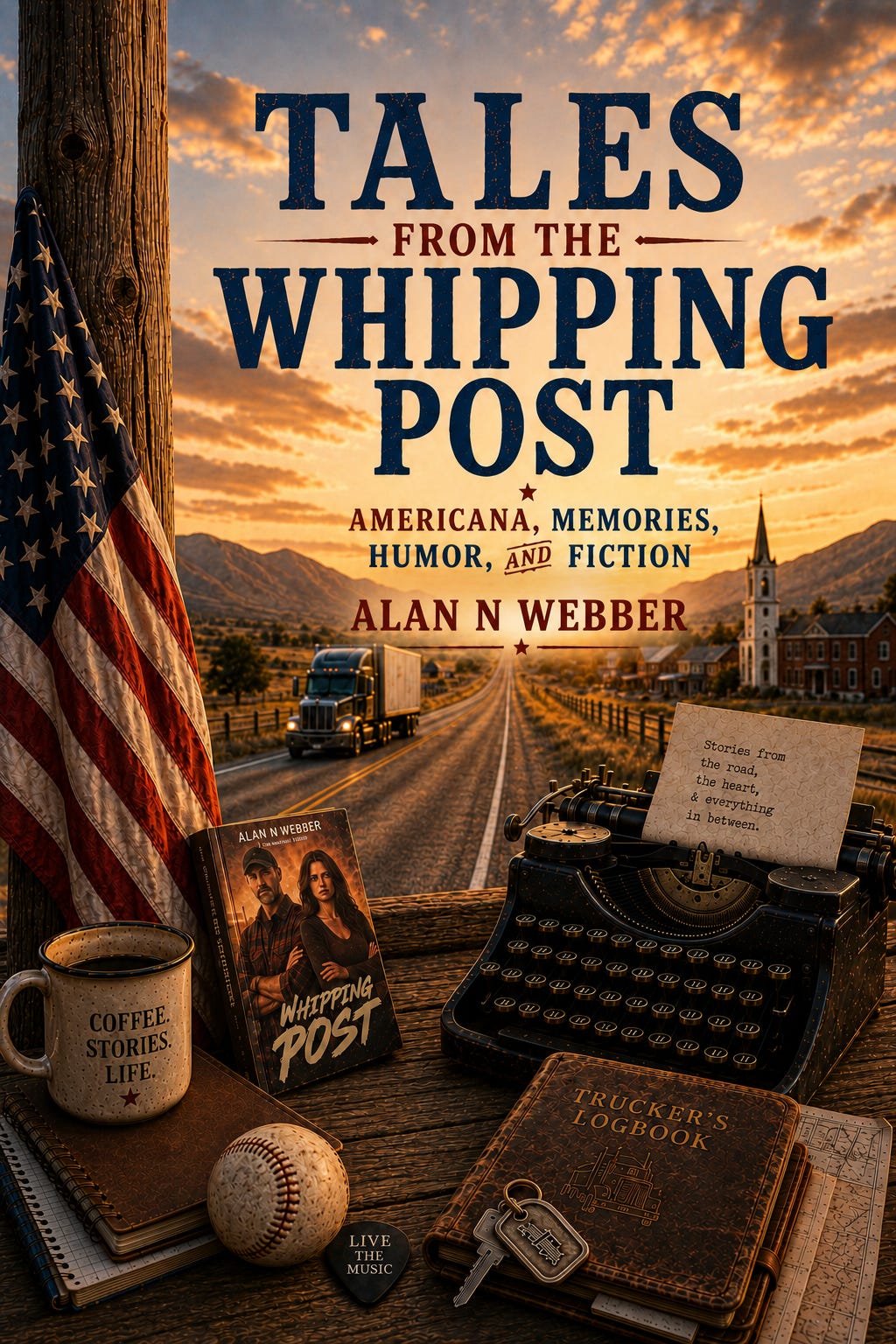
Inside this varied collection, you will discover:
Personal Reflections: Coming-of-age memories, family stories, and small-town humor.
Rock & Roll: The music and musicians who shaped a generation.
Sports: Triumphs, heartbreak, and a little golf-induced frustration.
History: Forgotten stories, fascinating people, and overlooked moments from America’s past.
Fiction: Original short stories ranging from heartwarming to suspenseful.
Perfect for fans of nostalgic storytelling, witty observations, and heartwarming fiction, Tales from the Whipping Post proves that the best stories are the ones lived, remembered, and passed down.
Grab your copy today and rediscover the stories that make us who we are.
Available in eBook, paperback, and hardcover.

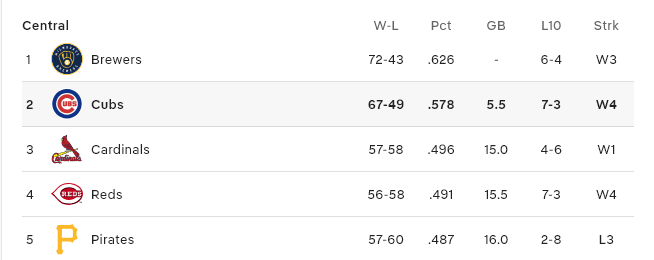
“MVP, MVP, MVP”
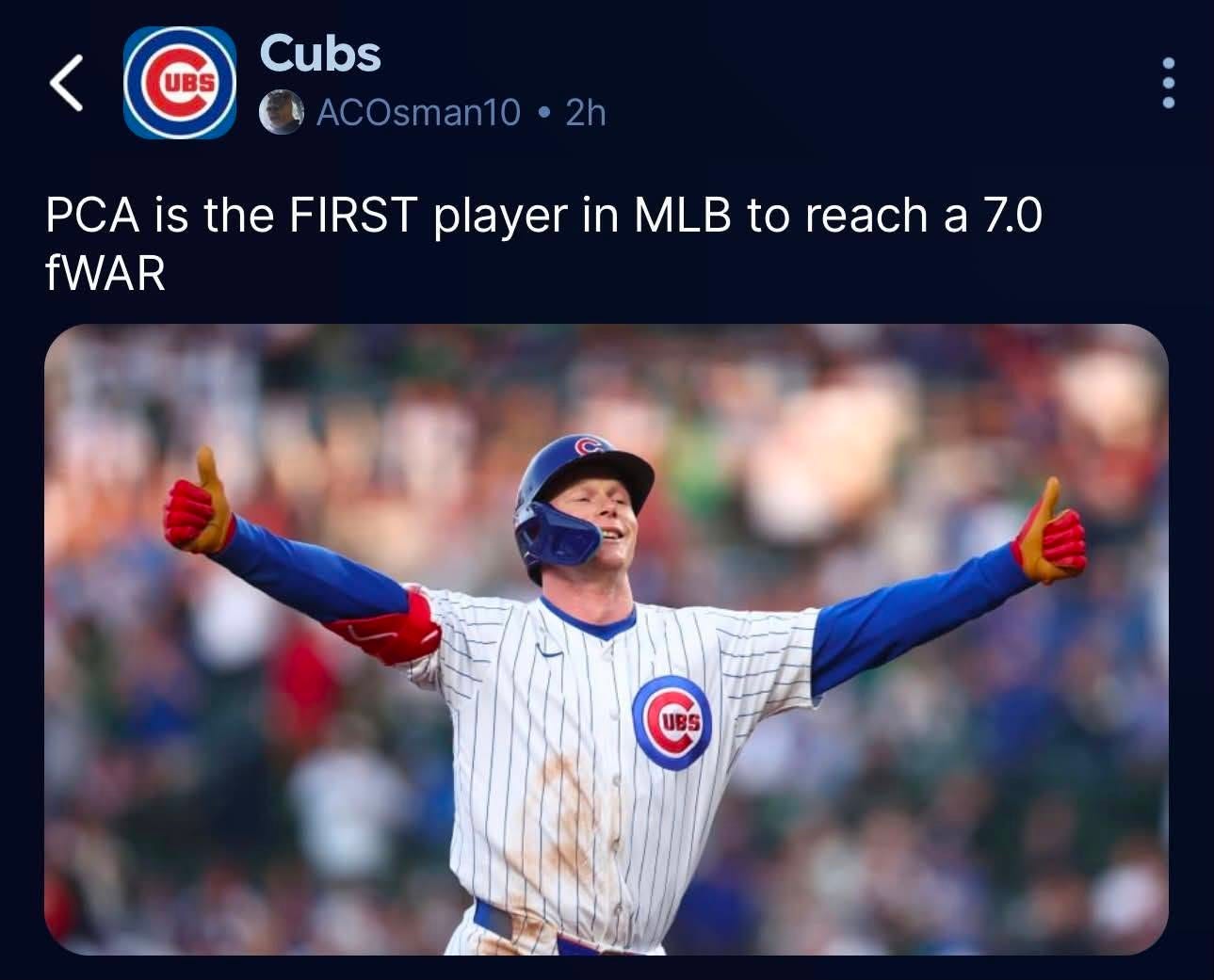
fWAR stands for Wins Above Replacement, as calculated by FanGraphs. It’s one of the best all-around statistics for estimating how many wins a player contributes to his team compared with a readily available bench player.
Here’s a way to think about it:
0 WAR = Replacement player
1–2 WAR = Useful major leaguer
3–4 WAR = Good everyday player
5–6 WAR = All-Star caliber
7+ WAR = MVP candidate
9–10+ WAR = Historic season

Loan Me A Dime by Duane Allman & Boz Scaggs
Before Duane Allman and his brother Gregg formed the Allman Brothers Band, and before Boz Scaggs found success with hits like Lido Shuffle, the two came together in Muscle Shoals, Alabama, to record one of the finest blues performances of the era.
The song, “Loan Me a Dime,” appears on Scaggs’ second album, Boz Scaggs, released in 1969. The album itself is often overlooked, but it earned a place on Rolling Stone magazine’s list of the 500 Greatest Albums of All Time.
Drawing from electric blues, soul, and rhythm & blues, the nearly thirteen-minute recording begins with a slow introduction but the song just keeps climbing. Scaggs’ vocals are soulful, but it is Duane Allman’s slide guitar that steals the song. His playing offers an early glimpse of the brilliance that would make him a legend.
If you’ve never heard this song, pour yourself a favorite adult beverage, dim the lights, and give it a listen. I think you’ll understand why so many music lovers consider it one of the greatest blues recordings ever put down.
Did this newsletter remind you of anything from your own life?
Hit Reply and tell us about it.
If you know someone who might enjoy Webber’s Whipping Post, pass it along.
That’s a wrap, folks!
— AW

© 2026 Black Mountain – Independent Publishing
All rights reserved.
Opinions expressed are those of the respective authors and guest contributors and do not necessarily reflect those of the publisher. Brief quotations may be used with attribution.
alan-webber.com